Start with the substrate and existing coating
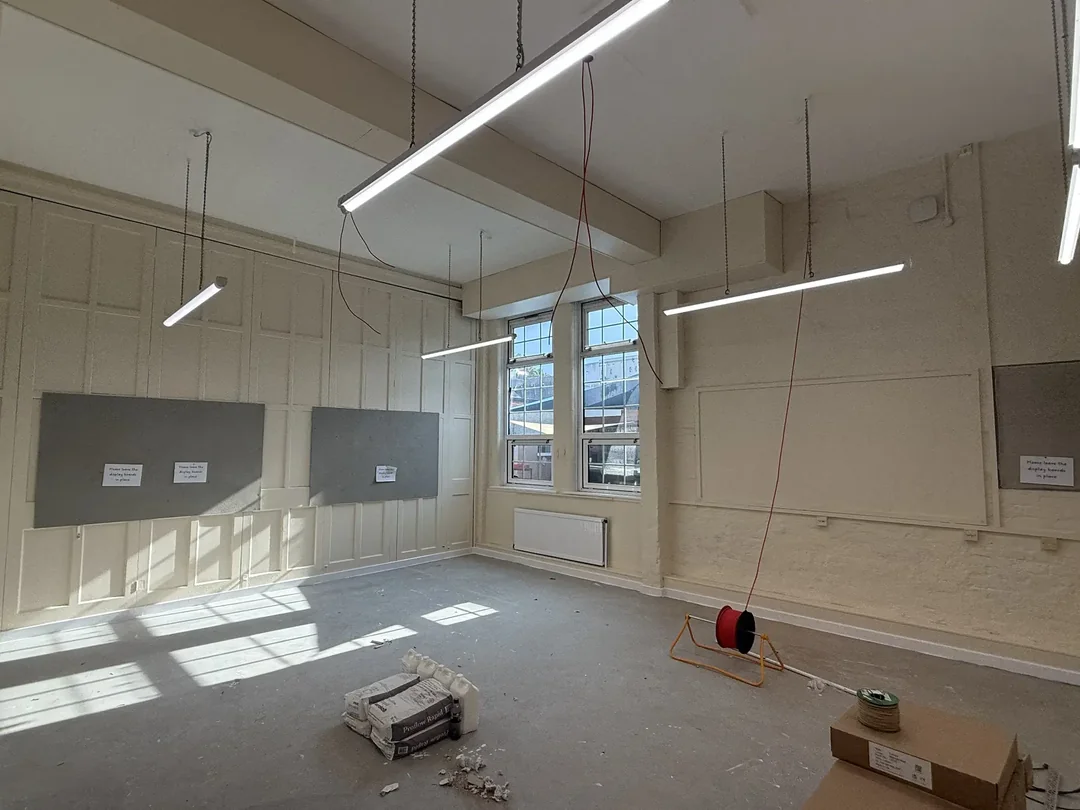
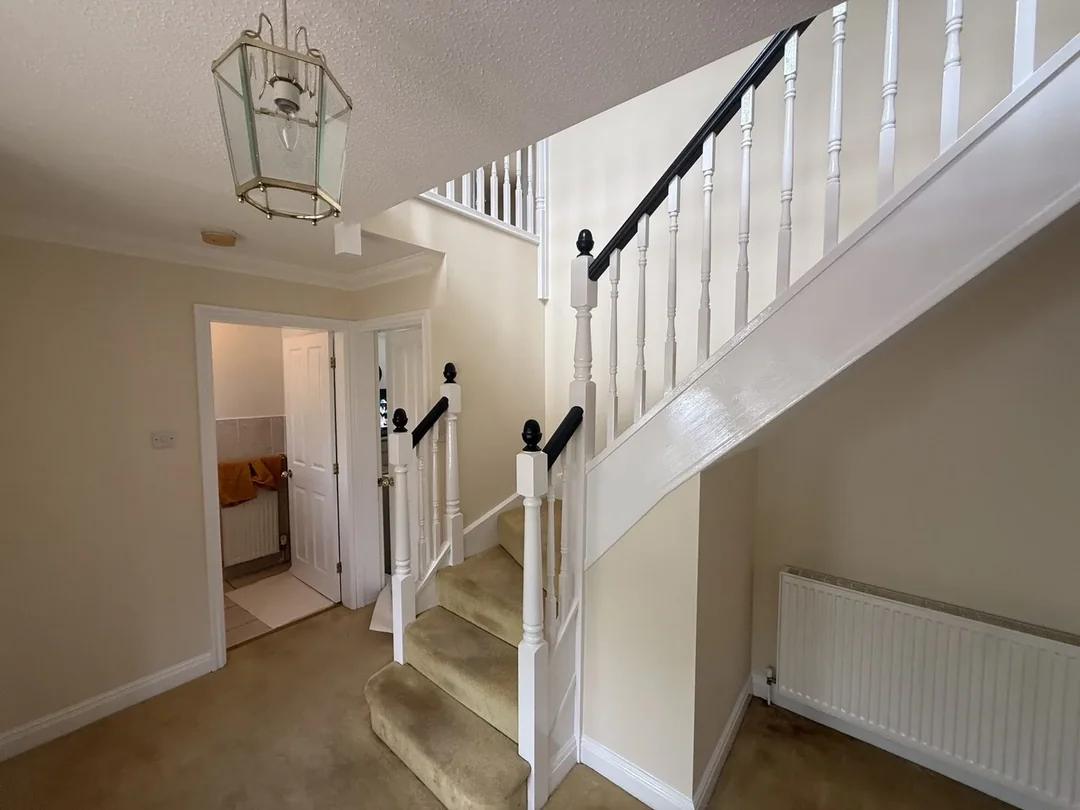
Identify plaster, plasterboard, timber, metal, masonry and previously coated surfaces separately. Check adhesion, contamination, porosity, moisture and repairs before choosing the topcoat. A durable product cannot compensate for an unstable or incorrectly prepared base.
Match durability to actual traffic
Entrances, corridors, classrooms, stairs and staff areas can receive frequent contact and cleaning. Meeting rooms or low-traffic ceilings may have different needs. Specify performance where it is useful instead of applying the most robust coating everywhere without reason.
Understand sheen and appearance
Flatter finishes can reduce reflection and may suit broad wall areas, while higher-sheen systems are often chosen where wipeability or trim definition matters. Sheen can also reveal surface defects and affect colour appearance, so samples should be viewed in the building's normal light.
Plan for cleaning and maintenance
Confirm what will be cleaned, how often and with which approved method. Check the manufacturer's guidance on cleaning, cure time and suitability. Keep the product and colour record after handover so future maintenance does not rely on visual guesswork.
Treat woodwork and metal separately
Doors, frames, skirting, radiators and metalwork need systems compatible with their substrate and existing coating. Preparation, primer and topcoat should be considered together. Do not assume a wall coating is appropriate for detailed trim or exterior metal.
Use colour and samples carefully
Large colour changes, deep colours and strong side lighting can affect coat requirements and appearance. Approve samples on a representative prepared area, record the colour reference and agree which party signs off the final scheme.