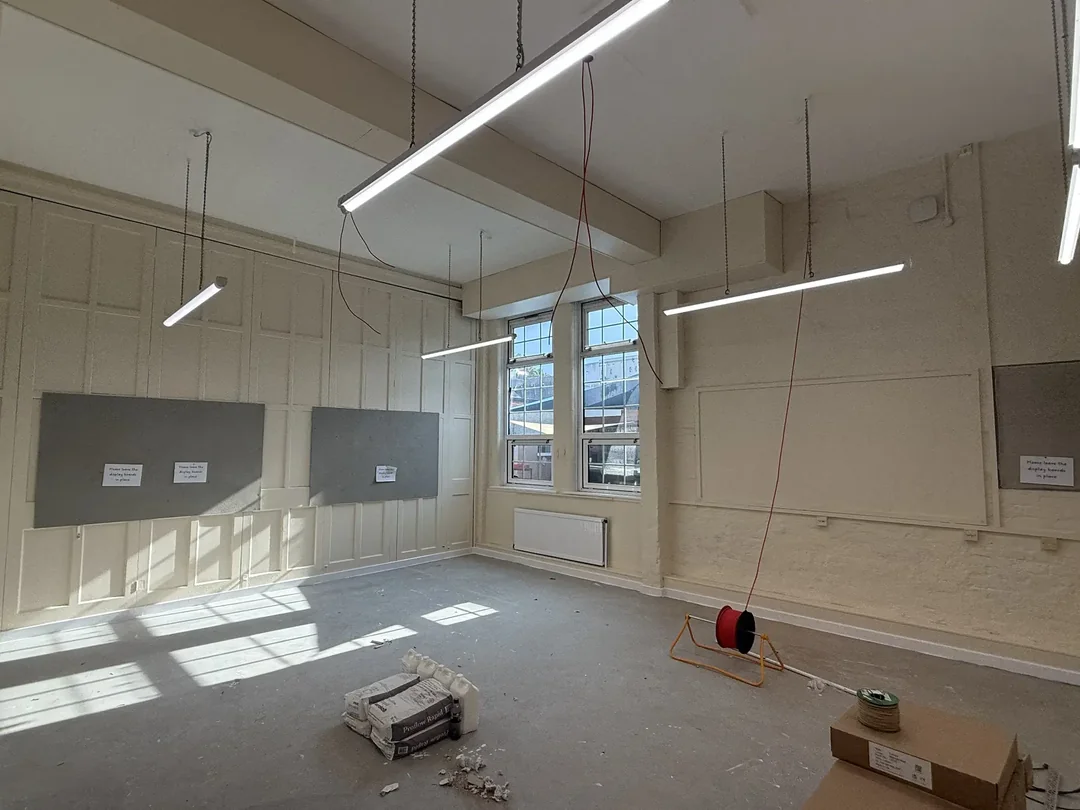
A good room finish is easier when the tools match the job. Buying every decorating gadget is unnecessary, but trying to prepare and paint with a worn brush, one small roller and no protection usually costs more time than it saves.
Start with protection and access
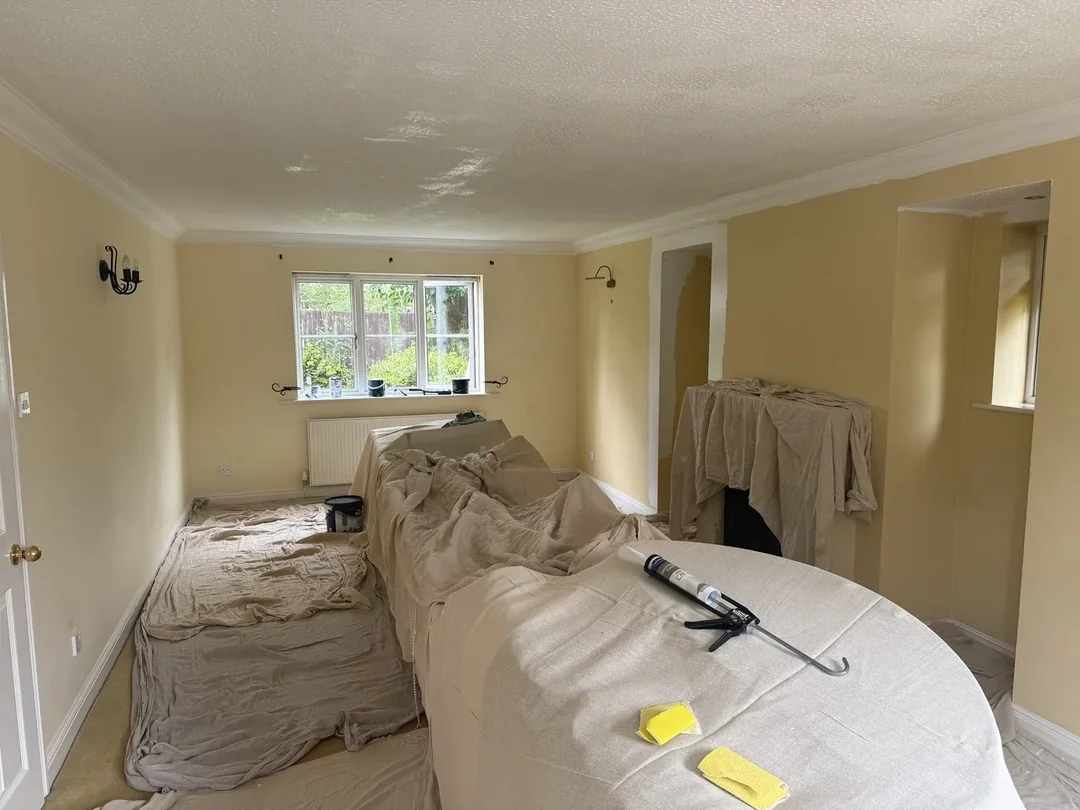
Before opening paint, protect the room. Use clean dust sheets or appropriate floor protection, masking tape suited to the surface, and enough space to move safely. A stable step ladder or platform may be needed for ceilings and high cutting-in, but access equipment must be suitable, checked and used according to its instructions.
Move what you can. Cover what has to remain. Remove switch plates only if you know how to do so safely and the electrical supply is isolated where required. Never rely on a sheet balanced over furniture as a working platform.
Preparation tools
A filling knife, suitable filler, abrasive paper or sanding blocks, a scraper and a dust-removal method form the basic preparation kit. A bright work light helps reveal raised filler, old runs and missed cracks before paint makes them more obvious.
- Use the filler recommended for the depth and surface.
- Let repairs dry before sanding or coating.
- Control dust rather than spreading it through the home.
- Treat stains or bare patches with a compatible primer where required.
Older coatings may need extra care. If there is a possibility of lead paint or another hazardous material, do not start aggressive dry sanding without assessing the risk and checking appropriate official guidance.
Brushes, rollers and paint containers
For most rooms, a quality angled cutting-in brush, a medium-pile roller suited to the wall texture, a roller frame, tray or scuttle and an extension pole cover the main application work. Small rollers are useful on broader woodwork and behind radiators where the product permits.
The roller sleeve should suit both the coating and the surface. A very short pile on a rough wall may not reach the texture; an unnecessarily heavy pile on a smooth wall can leave more texture than expected. Keep separate clean tools for water-based trim paint and wall emulsion.
Measuring and checking the finish
A tape measure helps estimate paint quantities, while a straight edge and pencil are useful for feature walls or colour divisions. Check the room in normal daylight and with the lights on. Do not keep rolling paint after it has begun to dry because this can pull or texture the finish.
Clean-up and storage
Follow the paint label for cleaning and disposal. Keep lids and rims clean, label leftover paint with the room and date, and store it within the manufacturer's temperature guidance. Do not pour paint or dirty solvent into drains.
When a decorator is the better option
High stairwells, extensive repairs, water staining, unstable coatings, detailed woodwork and rooms needed back in use quickly can justify a professional quote. JP Whyte Decorators provides interior and domestic decorating across Cheshire, with preparation and included surfaces set out before work begins.
Plan the job before buying tools
Start by deciding whether you are painting only the walls or also the ceiling, doors, skirting and frames. A roller that suits a broad wall is not the right tool for a narrow frame, and rough masonry needs a different sleeve from smooth plaster. Measure the room and inspect the surfaces before making a list.
A sensible basic setup
- A sound step or platform for the height involved
- Dust sheets or appropriate floor protection
- Filler, filling knife and abrasive for defects
- A paint kettle and suitable cutting-in brush
- Roller frame, sleeves and tray sized for the surface
- Clean water, cloths and a safe way to store wet tools
What makes the biggest difference
Buy the roller sleeve for the surface rather than choosing only on price. Check that the frame and pole use compatible fittings. Use a brush that holds its shape for edges and keep a smaller brush for tight details. Good protection and preparation usually improve the result more than adding another finishing tool.
Know your limit
Do not improvise access equipment or stretch from steps. Stop if you find active damp, loose plaster, suspected lead paint, a significant crack or an electrical problem. Those conditions need investigation before a decorative coat is applied.
Would you rather have it done professionally?
Planning a decorating project in Cheshire? Call 07377 812846 or use the contact form for a free quote.
Get a free quote