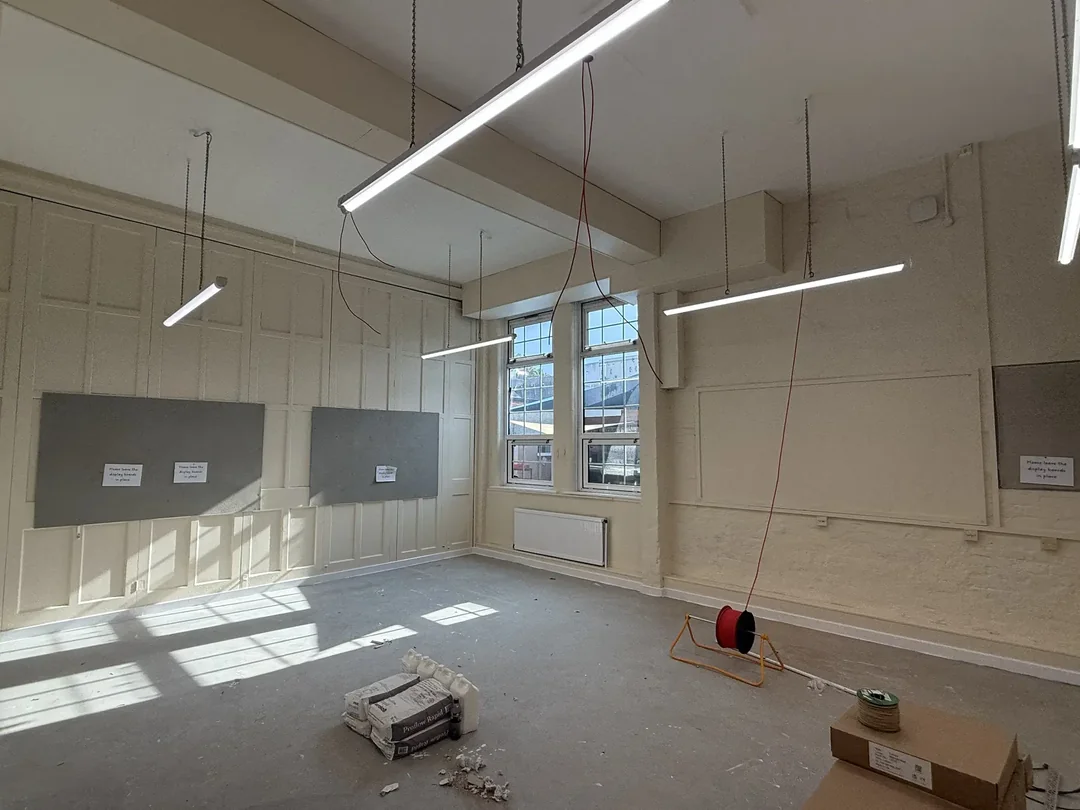
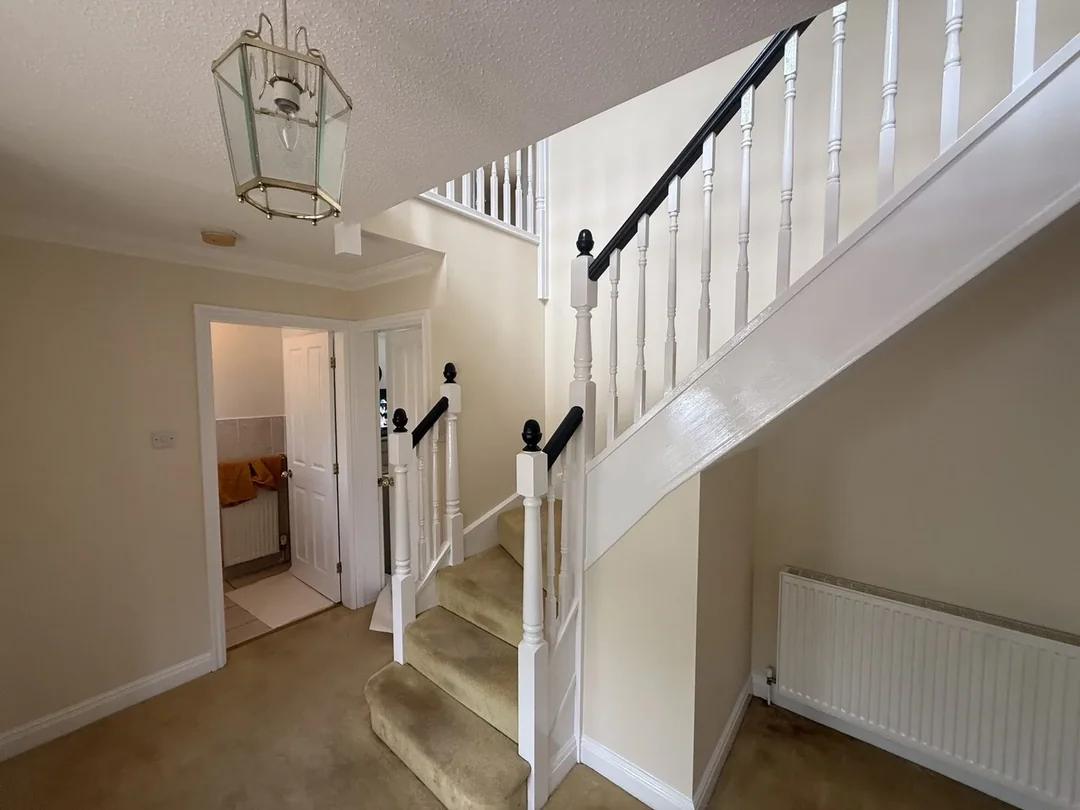
High-traffic paint should be selected for how the area is used and cleaned. A corridor in a school, a rental hallway and a quiet office do not automatically need the same product.
Identify the wear
Look at where hands, bags, chairs, trolleys and cleaning equipment contact the wall. Lower sections and corners may fail long before the rest. Impact damage may need protective details or maintenance planning as well as paint.
Compare cleanability properly
Terms such as durable, washable and scrubbable are not identical across every manufacturer. Read the technical information and confirm whether the product tolerates the cleaning method used on site.
Aggressive cleaners can mark or soften paint. The responsible person should know which products the cleaning team uses.
Choose an appropriate sheen
Higher sheen often improves cleanability but can highlight poor preparation, repairs and roller texture. Durable matt products can provide a flatter appearance, while eggshell or satin may suit some walls or trim.
Use samples in the actual light. Dark, glancing-light corridors can expose imperfections more than a small sample board suggests.
Prepare the substrate
Durable paint still fails over grease, dust, loose coating or damp. Clean, repair, sand and prime according to the surface and full coating system. Stains may need a separate isolating product.
Plan colours and maintenance
Very light colours show marks quickly, while very dark colours can reveal dust and scuffs. Mid-tone colours and a clearly recorded product specification can make future maintenance easier.
Keep labelled leftover paint and the exact colour reference, but remember that aged coatings may not touch in invisibly.
Consider drying and return to use
Busy corridors need a programme that protects wet surfaces and maintains safe access. Dry-to-touch does not mean fully cured or ready for routine washing.
Get the site-specific specification right
JP Whyte Decorators can inspect offices, schools, communal areas and other commercial spaces across Cheshire before recommending a preparation and finish in the quote.
Identify the type of wear
A corridor may suffer scuffs, while a reception area needs frequent cleaning and a stairwell receives hand contact at predictable heights. Kitchens and washrooms add grease or moisture. Choose a system for the actual exposure rather than relying on a broad durable label.
Substrate and preparation still come first
A washable finish cannot compensate for loose previous paint or dusty filler. Clean contamination, repair sound surfaces and use a compatible primer where required. Test adhesion if the existing coating is unknown or unusually glossy.
Balance cleanability and appearance
More durable finishes often have a different sheen or texture from standard matt paint. View a sample in the property's lighting and check whether touch-ups will blend. In large commercial areas, retaining the batch and colour reference helps planned maintenance.
Read the technical information
Check scrub or durability claims, recoat time, full cure time and cleaning guidance. A coating may feel dry before it can withstand washing or repeated contact. Plan reopening and furniture placement around cure time, not only touch-dry time. For regulated or sensitive premises, confirm any required low-odour, hygiene or fire-performance specification with the responsible person before ordering.
Would you rather have it done professionally?
Planning a decorating project in Cheshire? Call 07377 812846 or use the contact form for a free quote.
Get a free quote